How Long Does it Take Ear Piercings to Heal? 2026 UK Expert Guide
Everything you need to know about ear piercing healing times, what to expect during recovery, and how to help your piercing heal safely.
Ear piercings remain one of the most popular forms of body jewellery, but many people are surprised by how different healing times can be depending on where the piercing is located. While an earlobe piercing may heal within a couple of months, cartilage piercings such as a helix, tragus or conch often require much longer.
Understanding the healing process can help you avoid common mistakes, reduce irritation and choose jewellery that supports healthy healing.
In this expert guide, we'll explain realistic healing timelines, factors that affect recovery, aftercare advice and what you can do to keep your piercing healthy.
Quick Answer
Most ear piercings heal within 6 weeks to 12 months, depending on the location of the piercing.
Soft tissue piercings, such as the earlobe, generally heal much faster because they receive a better blood supply. Cartilage piercings—including the helix, tragus, conch, rook and industrial—heal more slowly and require greater patience.
While many piercings feel comfortable after only a few weeks, internal healing continues for several months. Changing jewellery too early is one of the most common reasons for irritation and delayed healing.
Using high-quality implant-grade titanium jewellery, following proper aftercare and avoiding unnecessary trauma can significantly improve the healing process.
In This Guide
In this article you'll learn:
- Ear piercing healing times by location
- Which piercings heal the fastest
- Which cartilage piercings take the longest
- What affects healing time
- Signs your piercing is healing normally
- When you can safely change jewellery
- Common healing mistakes to avoid
- Frequently asked questions
Ear Piercing Healing Timeline
The table below provides average healing times for the most common ear piercings.
| Piercing | Initial Healing | Fully Healed |
|---|---|---|
| Earlobe | 6–8 weeks | 3–6 months |
| Helix | 3–6 months | 6–12 months |
| Forward Helix | 3–6 months | 6–12 months |
| Tragus | 4–6 months | 9–12 months |
| Conch | 4–6 months | 9–12 months |
| Rook | 6–9 months | 9–12 months |
| Daith | 6–9 months | 9–12 months |
| Industrial (Scaffold) | 6–9 months | 12 months or longer |
These are average healing times. Everyone heals differently depending on age, lifestyle, aftercare routine and the quality of jewellery used.

Why Do Some Ear Piercings Take Longer to Heal?
Not all ear piercings heal at the same speed because different areas of the ear are made from different types of tissue.
The earlobe contains soft tissue with an excellent blood supply. This allows nutrients and oxygen to reach the wound more efficiently, supporting faster healing.
Cartilage is very different.
Areas such as the helix, tragus, rook and conch have much less blood circulation. As a result, healing is naturally slower and cartilage is more vulnerable to irritation from sleeping, headphones, helmets and accidental knocks.
This is completely normal.
Many people believe their piercing has healed because it no longer hurts after a few weeks. In reality, the inside of the piercing channel may still be healing for several more months.
Earlobe Piercing Healing Time
Average healing time: 6–8 weeks
Full healing: 3–6 months
The earlobe is usually the quickest ear piercing to heal.
Most swelling disappears within the first week and tenderness gradually improves over the following weeks.
Although many people change jewellery after six to eight weeks, professional piercers often recommend waiting until healing is complete before switching jewellery frequently.
What to Expect
Week 1
- Mild swelling
- Tenderness
- Slight redness
- Clear or pale yellow lymph fluid
Weeks 2–6
- Less tenderness
- Occasional crusting
- Reduced swelling
Months 2–3
- Piercing feels comfortable
- Tissue continues strengthening internally
Helix Piercing Healing Time
Average healing time: 3–6 months
Full healing: 6–12 months
Helix piercings are among the most popular cartilage piercings, but they also require significantly more patience than lobe piercings.
Because cartilage receives less blood flow, healing progresses more slowly.
One of the biggest causes of delayed healing is sleeping on the piercing during the first few months.
Even gentle pressure throughout the night can irritate the piercing and extend recovery.
Typical Healing Timeline
First Month
Expect:
- Mild swelling
- Redness
- Occasional throbbing
- Clear lymph discharge
This is a normal inflammatory response.
Months 2–4
Pain should gradually reduce.
However, the piercing may still become irritated if you:
- sleep on it
- catch it on clothing
- wear headphones
- change jewellery too early
Many people mistake this stage for complete healing.
It isn't.
Months 6–12
By this point, the piercing should feel comfortable and stable.
Most people can safely change jewellery once advised by their professional piercer, although complete healing varies from person to person.
What Can Slow Down Healing?
Several factors can significantly increase healing time.
The most common include:
- Sleeping directly on the piercing
- Touching the jewellery unnecessarily
- Rotating or twisting the jewellery
- Swimming before the piercing has healed
- Wearing poor-quality jewellery
- Changing jewellery too early
- Cleaning too aggressively
- Catching jewellery on hair or clothing
Many people don't realise that over-cleaning can be just as harmful as under-cleaning.
Cleaning with a sterile saline solution once or twice daily is generally sufficient. Excessive use of alcohol, hydrogen peroxide or harsh antiseptics may dry out the skin and delay healing.
Does Jewellery Material Affect Healing?
Yes.
The jewellery you wear during healing plays an important role.
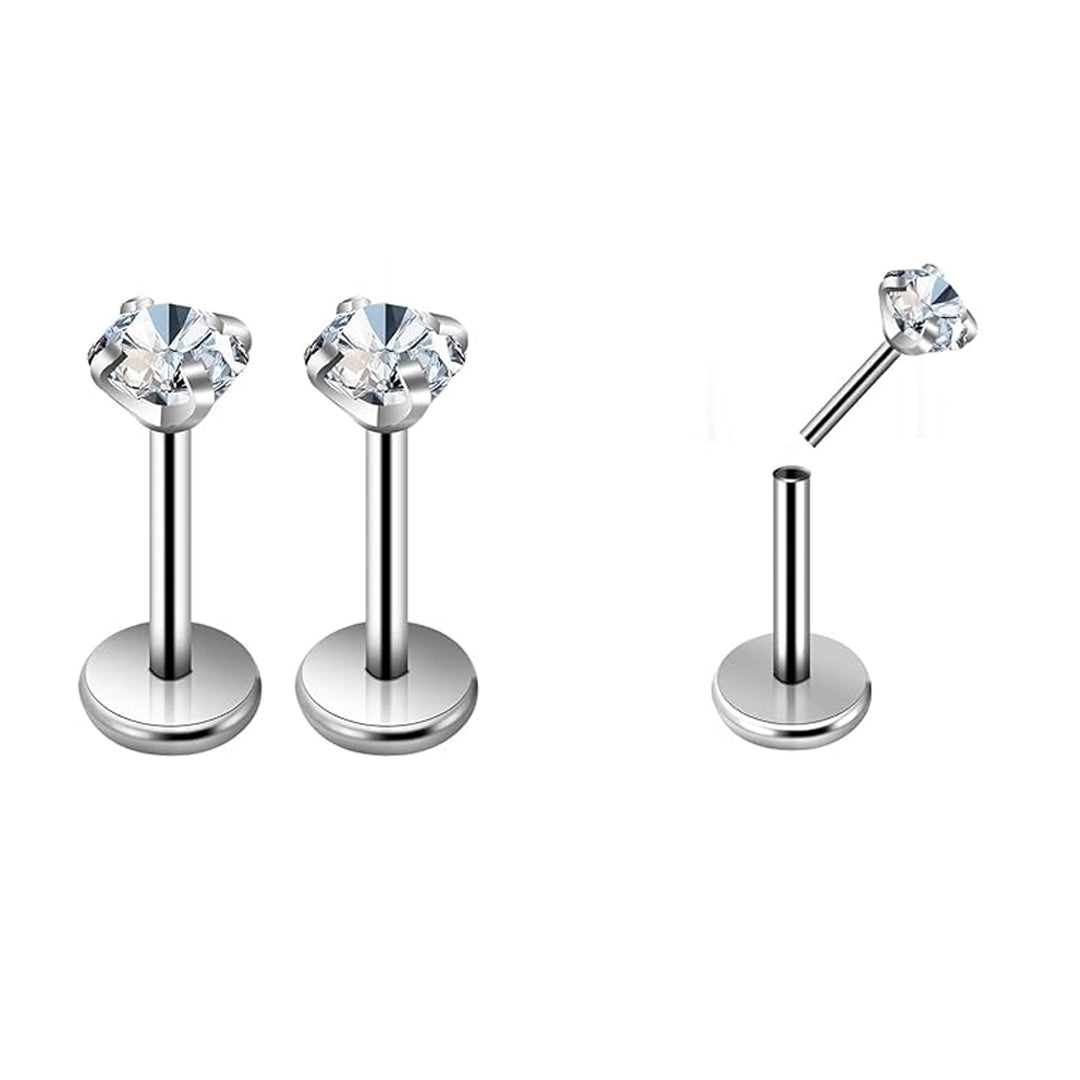
Professional piercers commonly recommend implant-grade titanium because it is lightweight, highly biocompatible and contains no nickel, making it suitable for most people with sensitive skin.
High-quality titanium jewellery can help minimise irritation during the healing period.
Low-quality plated jewellery or unknown metal alloys may increase the risk of irritation, allergic reactions and prolonged healing.
Tragus Piercing Healing Time
Average healing time: 4–6 months
Full healing: 9–12 months
A tragus piercing passes through a small section of thick cartilage located in front of the ear canal. Although the piercing itself is relatively small, the dense cartilage means healing usually takes much longer than most people expect.
The first few weeks are normally straightforward, but irritation often appears later if the jewellery is bumped repeatedly by earbuds, headphones or while sleeping.
What to Expect During Healing
Weeks 1–4
During the first month you may experience:
- Mild swelling
- Slight redness
- Tenderness when touched
- Small amounts of clear lymph fluid
These symptoms are completely normal and usually improve within several weeks.
Months 2–6
At this stage the piercing generally becomes less painful, but it is still vulnerable to irritation. Avoid changing jewellery too early, and continue cleaning with sterile saline solution once or twice a day.
Months 6–12
Most tragus piercings feel comfortable by this point, although internal healing continues for several more months. Patience is one of the most important factors in achieving a healthy, well-healed piercing.
Conch Piercing Healing Time
Average healing time: 4–6 months
Full healing: 9–12 months
Conch piercings sit within the centre of the ear cartilage and are available as both inner and outer conch piercings.
Although they often look healed after a few months, complete healing can easily take close to a year.
Many people experience occasional flare-ups during healing. A piercing may feel perfectly comfortable for weeks before becoming irritated after sleeping on it or catching it while brushing hair.
This doesn't necessarily mean something is wrong—it simply reflects the slow nature of cartilage healing.
Tips for Faster Healing
- Avoid sleeping directly on the piercing.
- Choose implant-grade titanium jewellery.
- Avoid unnecessary touching.
- Don't remove jewellery during healing.
- Keep long hair away from the piercing where possible.
Read our complete Conch Piercing Healing Guide if you're specifically healing a conch piercing.
Rook Piercing Healing Time
Average healing time: 6–9 months
Full healing: 9–12 months
A rook piercing passes through one of the thickest folds of cartilage inside the ear, making it one of the slower ear piercings to heal.
Swelling often lasts longer than people expect, particularly during the first month.
Because of its protected location, accidental knocks are less common than with a helix piercing, but cleaning can sometimes be more difficult due to its position.
Don't be surprised if the piercing feels perfectly fine one week and slightly irritated the next. Small fluctuations during healing are entirely normal.
Daith Piercing Healing Time
Average healing time: 6–9 months
Full healing: 9–12 months
Daith piercings have become increasingly popular thanks to their unique appearance and ongoing discussions surrounding migraines, although there is currently no strong scientific evidence that daith piercings prevent or treat migraine headaches.
Healing follows a similar pattern to other cartilage piercings.
The location inside the ear helps protect the jewellery from accidental knocks, but proper cleaning can sometimes be more challenging because the area is less visible.
During Healing
You may notice:
- Mild swelling
- Occasional tenderness
- Clear lymph discharge
- Light crust formation
These are all considered normal signs of healing unless accompanied by severe pain, excessive swelling or signs of infection.
Industrial (Scaffold) Piercing Healing Time
Average healing time: 6–9 months
Full healing: 12–18 months
Industrial piercings, also known as scaffold piercings, are among the slowest ear piercings to heal.
Unlike most ear piercings, an industrial connects two separate cartilage piercings with a single barbell.
This means both piercing channels must heal successfully at the same time.
Even if one end heals quickly, irritation at the other end can delay the overall healing process.
Common Causes of Delayed Healing
Industrial piercings are particularly sensitive to:
- Sleeping on the piercing
- Tight hats or helmets
- Hair catching around the jewellery
- Heavy headphones
- Frequent jewellery movement
Many professional piercers recommend leaving the original jewellery in place for at least 9–12 months unless there is a medical reason to remove it.
Which Ear Piercing Heals the Fastest?
If your priority is a quick recovery, the earlobe remains the fastest-healing ear piercing.
Soft tissue heals considerably faster than cartilage because it receives a richer blood supply.
Typical healing speed from fastest to slowest is:
| Healing Speed | Piercing |
|---|---|
| Fastest | Earlobe |
| Fast | Helix |
| Moderate | Tragus |
| Moderate | Conch |
| Slow | Rook |
| Slow | Daith |
| Slowest | Industrial |
Remember that these are general guidelines. Individual healing times vary depending on aftercare, lifestyle and overall health.
Signs Your Ear Piercing Is Healing Normally
Many people worry that something is wrong when they notice small changes during healing.
In most cases, the following signs are completely normal:
✅ Mild redness during the first few weeks
✅ Slight swelling
✅ Clear or pale yellow lymph fluid
✅ Small crusts forming around the jewellery
✅ Mild itching as the tissue repairs itself
These symptoms usually become less noticeable over time.
When Should You Be Concerned?
Although irritation is common, some symptoms require professional advice.
Contact your piercer or seek medical attention if you notice:
- Thick green or grey discharge
- A strong unpleasant odour
- Increasing pain after several weeks
- Excessive swelling that continues worsening
- Fever or feeling generally unwell
- Jewellery becoming embedded into the skin
If you're ever unsure, it's safer to ask an experienced professional than attempt to treat the piercing yourself.
Expert Advice
Healing isn't a race.
One of the biggest misconceptions about ear piercings is that they heal according to a fixed timeline. In reality, healing depends on your anatomy, aftercare routine, jewellery quality and lifestyle.
Two people with identical helix piercings may heal at very different speeds.
Rather than focusing on the calendar, pay attention to how your piercing feels. If there's still tenderness, swelling or irritation, your body is telling you that it needs more time.
Common Mistakes That Delay Ear Piercing Healing
Even if you clean your piercing every day, small habits can significantly slow the healing process.
Here are the most common mistakes professional piercers see—and how to avoid them.
1. Sleeping on Your Piercing
Pressure is one of the biggest reasons cartilage piercings take longer to heal.
Sleeping on a helix, conch, tragus or industrial piercing places constant pressure on the jewellery for several hours every night. This can lead to irritation, prolonged swelling and the formation of piercing bumps.
If possible, sleep on the opposite side or use a travel pillow with your ear positioned in the centre opening to reduce pressure.
2. Touching Your Jewellery Too Often
Fresh piercings do not need constant checking.
Every unnecessary touch introduces bacteria and can irritate the healing tissue.
Only touch your piercing when cleaning it, and always wash your hands thoroughly first.
3. Twisting or Rotating the Jewellery
Years ago, people were often told to rotate their earrings during healing.
Modern piercing advice has changed.
Rotating jewellery can damage the delicate healing tissue inside the piercing channel and restart the healing process.
The jewellery should be left as still as possible.
4. Changing Jewellery Too Early
One of the biggest mistakes people make is assuming a piercing is healed because it no longer hurts.
Pain usually disappears long before internal healing is complete.
Changing jewellery too early can cause irritation, swelling or even shrinkage of the piercing channel.
If you're unsure whether your piercing is ready, speak to your professional piercer before changing jewellery.
5. Using Harsh Cleaning Products
Many people believe stronger cleaning products lead to faster healing.
Unfortunately, the opposite is often true.
Avoid using:
- Alcohol
- Hydrogen peroxide
- Tea tree oil
- Strong antiseptic solutions
These products may dry out healthy tissue and slow healing.
Instead, clean your piercing using a sterile saline solution once or twice a day, following your piercer's advice.
6. Swimming Too Soon
Swimming pools, hot tubs, lakes and the sea all contain bacteria that can increase the risk of infection.
It's generally recommended to avoid swimming until your piercing has healed sufficiently or your piercer advises it's safe to do so.
If swimming cannot be avoided, discuss appropriate precautions with your piercer.
7. Wearing Low-Quality Jewellery
Jewellery quality matters.
Poor-quality metals or unknown alloys may increase irritation, especially for people with sensitive skin.
Implant-grade titanium is widely recommended for initial piercings because it is lightweight, biocompatible and nickel-free.
8. Ignoring Minor Irritation
Small problems are much easier to manage than large ones.
If your piercing suddenly becomes irritated, review your aftercare routine and think about what may have changed.
For example:
- Have you started sleeping on it?
- Have you changed your hairstyle?
- Are new headphones putting pressure on the jewellery?
- Did you recently change jewellery?
Often, identifying and removing the source of irritation is enough to allow healing to continue.

How to Help Your Ear Piercing Heal Faster
Although you can't dramatically speed up your body's natural healing process, you can create the best possible conditions for recovery.
Follow these simple recommendations.
Clean with Sterile Saline
Use a sterile saline solution once or twice daily.
Allow the solution to soften any dried lymph before gently rinsing the area.
Avoid scrubbing or forcing crusts away.
Leave the Jewellery In
Unless advised by your piercer or a healthcare professional, avoid removing jewellery during healing.
Removing jewellery too early may cause the piercing to close surprisingly quickly.
Avoid Sleeping on Cartilage Piercings
Pressure slows healing.
If you're a side sleeper, consider using a travel pillow or specialised piercing pillow to keep pressure away from your ear.
Choose High-Quality Jewellery
High-quality implant-grade titanium jewellery is often recommended for healing piercings because it is durable, lightweight and suitable for most people with metal sensitivities.
Eat Well and Stay Hydrated
Your body heals best when it has the nutrients it needs.
A balanced diet, good hydration and enough sleep all support the natural healing process.
Can You Speed Up Ear Piercing Healing?
This is one of the most common questions people ask.
The honest answer is:
Not significantly.
Healing follows your body's natural repair process.
No cream, spray or miracle product can reduce a 9-month cartilage healing period to just a few weeks.
Instead of trying to speed healing up, focus on avoiding the mistakes that slow it down.
Consistent aftercare, patience and quality jewellery will usually produce the best outcome.
Ear Piercing Healing Myths
There is a lot of outdated advice online.
Let's separate fact from fiction.
Myth: You Should Twist Your Jewellery Every Day
❌ False.
Twisting jewellery may damage healing tissue.
Myth: Alcohol Helps Piercings Heal Faster
❌ False.
Alcohol can dry out healthy skin and increase irritation.
Myth: If It Doesn't Hurt, It's Fully Healed
❌ False.
Many cartilage piercings continue healing internally for several months after discomfort has disappeared.
Myth: More Cleaning Is Better
❌ False.
Over-cleaning can irritate the piercing.
Once or twice daily is usually enough unless your piercer advises otherwise.
Frequently Asked Questions
How do I know if my ear piercing is healing properly?
A healthy healing piercing usually becomes less swollen and less tender over time. Mild redness, light crusting and small amounts of clear lymph fluid are all normal during the healing process.
Is itching normal?
Yes.
Mild itching is often a sign that new skin is forming.
Avoid scratching the piercing or moving the jewellery.
Can I shower with a new ear piercing?
Yes.
Clean running water is generally fine during a shower.
Afterwards, gently dry the area with a clean paper towel or allow it to air dry.
Avoid using heavily fragranced shampoos or hair products directly on the piercing.
Can I wear headphones?
It depends on the piercing.
Large over-ear headphones may press against helix or industrial piercings, while earbuds can irritate tragus piercings.
If your headphones cause discomfort, it's best to avoid them until healing progresses further.
Is crust around my piercing normal?
Yes.
Small amounts of dried lymph forming light-coloured crusts are a normal part of healing.
They should soften naturally during cleaning rather than being picked away.
Why is my piercing still sore after several months?
Cartilage heals slowly.
It's normal for cartilage piercings to remain sensitive for many months, especially after accidental bumps or sleeping on the piercing.
If pain becomes worse rather than better, consult your piercer or a healthcare professional.
What's the difference between irritation and infection?
Irritation is far more common than infection.
Irritation often causes mild redness, tenderness and swelling after pressure or accidental knocks.
Infections are more likely to involve increasing pain, significant swelling, thick coloured discharge and sometimes fever.
If you suspect an infection, seek professional medical advice promptly.
When Can You Change Your Ear Piercing Jewellery?
One of the questions we hear most often is:
"When is it safe to change my jewellery?"
The answer depends on two things:
- The location of your piercing.
- How well it has healed.
Although some piercings may feel comfortable after only a few weeks, this doesn't necessarily mean the inside of the piercing has fully healed.
Changing jewellery too early may cause irritation, swelling or even restart the healing process.
As a general guide:
| Piercing | Recommended Waiting Time Before Changing Jewellery |
|---|---|
| Earlobe | Around 8–12 weeks |
| Helix | Around 6–9 months |
| Tragus | Around 6–9 months |
| Conch | Around 6–9 months |
| Rook | Around 9 months |
| Daith | Around 9 months |
| Industrial | Around 9–12 months |
If you're unsure whether your piercing has healed, it's always safest to seek advice from an experienced professional piercer before changing your jewellery.
Choosing the Right Jewellery During Healing
The jewellery you wear plays an important role in your overall healing experience.
During the healing period, many professional piercers recommend implant-grade titanium because it is:
- Lightweight
- Nickel-free
- Highly biocompatible
- Suitable for most sensitive skin
- Resistant to corrosion
Choosing jewellery that fits correctly is equally important.
Jewellery that is too tight may increase pressure on the piercing, while jewellery that is too long may catch more easily on clothing or hair.
Once your piercing has fully healed, you may decide to explore different styles depending on your personal preference.
Our Advice
Healing isn't something that should be rushed.
Every piercing is different, and comparing your healing journey with someone else's often leads to unnecessary worry.
Focus on consistency rather than speed.
Follow your aftercare routine, avoid unnecessary irritation, wear high-quality jewellery and allow your body the time it needs.
In our experience, patience almost always produces the best long-term results.
Related Ear Piercing Guides
If you'd like to learn more about specific ear piercings, these guides may also be helpful:
👉 How Long Does a Helix Piercing Take to Heal?
👉 Tragus Piercing: What You Should Know
👉 Tragus & Anti-Tragus Piercing Guide
👉 Scaffolding (Industrial) Piercing Guide
👉 Ear Cartilage Piercings Explained
Recommended Jewellery
Choosing high-quality jewellery is one of the simplest ways to support comfortable healing.
You may also like:
Frequently Asked Questions
What is the fastest healing ear piercing?
The earlobe is generally the quickest ear piercing to heal, with most people recovering within 6 to 8 weeks. Cartilage piercings require significantly longer because cartilage receives less blood circulation.
Which ear piercing takes the longest to heal?
Industrial (scaffold) piercings usually take the longest because two cartilage piercings heal simultaneously.
Complete healing may take 12 months or longer.
Can I sleep on my piercing after two months?
It is generally best to avoid sleeping directly on any healing cartilage piercing until it has fully recovered.
Even light pressure may prolong healing.
Why does my piercing still have crust after several months?
Small amounts of dried lymph are perfectly normal throughout cartilage healing.
If the piercing is otherwise comfortable and shows no signs of infection, occasional crusting is rarely a cause for concern.
Should I remove my jewellery if I think my piercing is infected?
Do not remove jewellery without professional advice.
Removing jewellery may trap an infection inside the piercing channel.
If you suspect an infection, contact a healthcare professional as soon as possible.
Final Thoughts
Healing an ear piercing takes patience.
While earlobe piercings often recover within a few months, cartilage piercings such as helix, tragus, conch, rook and industrial require considerably longer.
Understanding realistic healing times, choosing high-quality jewellery and following a consistent aftercare routine will give your piercing the best opportunity to heal successfully.
Remember that every person heals differently.
Listen to your body, avoid rushing the process and seek professional advice whenever you have concerns.