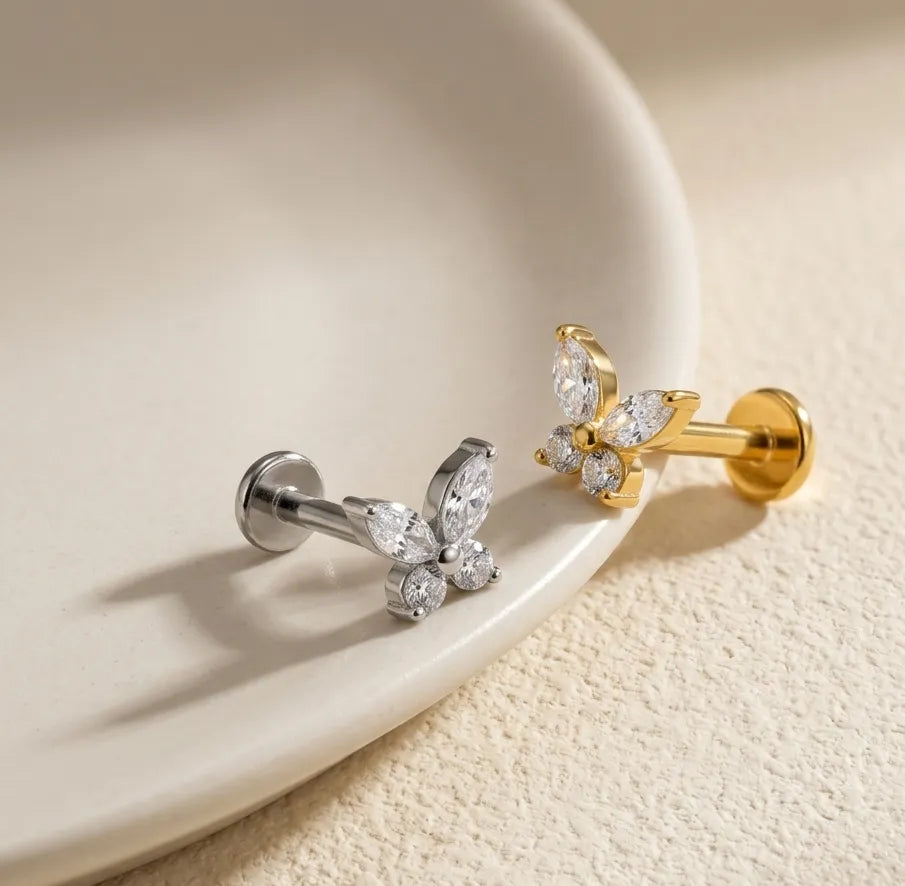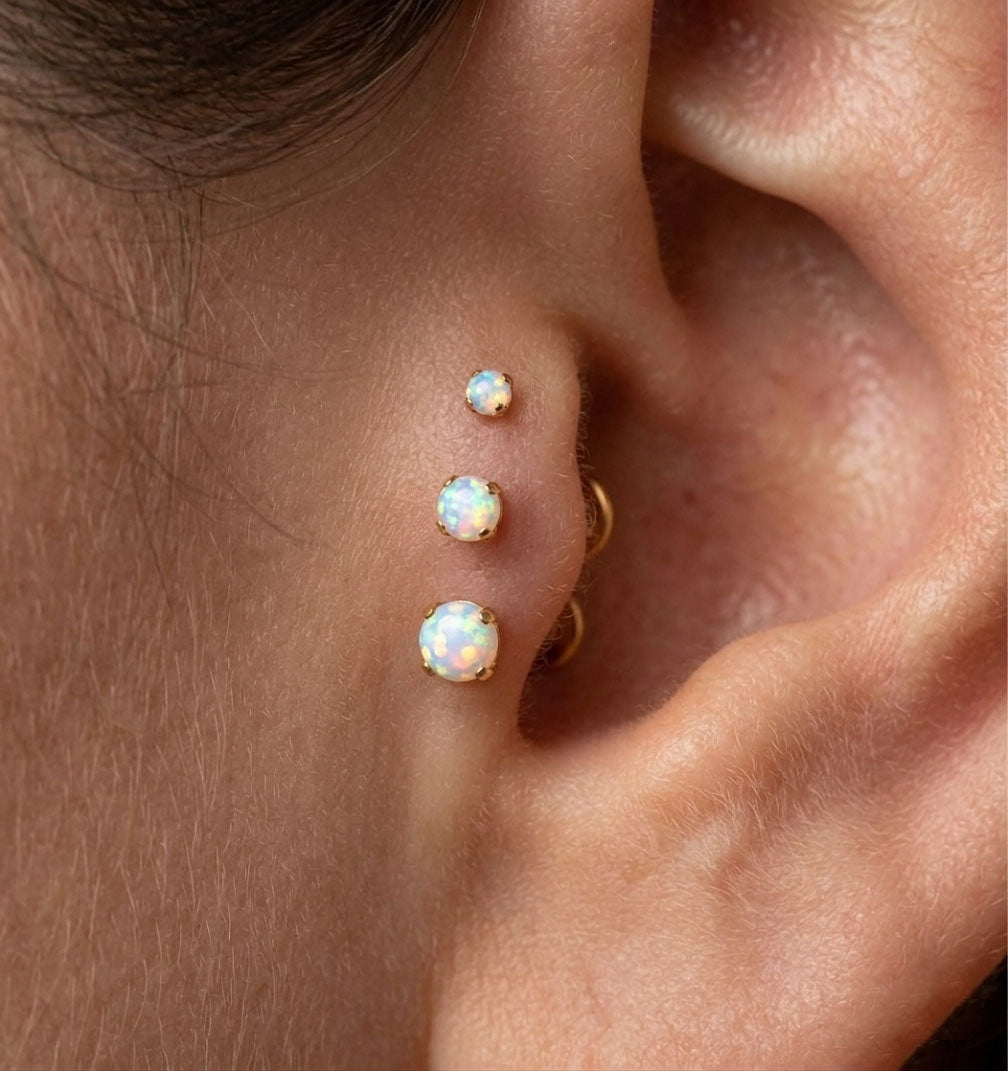

Titanium Belly Bars: The 2026 UK Gold Standard for Navel Piercings
Titanium belly bars, specifically those made from G23 or ASTM F-136 implant-grade titanium, are the safest choice for both new and healed navel piercings because they are 100% nickel-free and biocompatible. Unlike "surgical steel" which often contains trace amounts of nickel, titanium will not corrode, tarnish, or cause allergic reactions. In the UK, professional piercers mandate titanium for initial navel piercings because it is 50% lighter than steel, significantly reducing the mechanical tension and risk of rejection in the delicate abdominal area.
Titanium vs. Surgical Steel: Navel Jewellery Comparison
Navel piercings are prone to "migration" (moving). Choosing the right metal is the difference between a permanent piercing and a permanent scar.
| Feature | Implant-Grade Titanium (ASTM F-136) | Surgical Steel (316L) |
| Nickel Content | 0% (Nickel-Free) | Contains trace amounts |
| Weight | Ultra-Lightweight | Heavier (Can pull on skin) |
| Biocompatibility | High (Used in medical implants) | Moderate (Can cause irritation) |
| UK Professional Pick | Yes (Recommended) | No (Only for fully healed) |
| Durability | Won’t tarnish or rust | Can tarnish over time |
Expert Insight: The "Lightweight" Advantage
In our UK studios, we see many "piercing bumps" on the navel caused simply by the weight of the jewellery. The belly moves every time you sit, stand, or breathe.
Professional Advice: "A navel piercing is essentially a surface piercing. If the bar is too heavy, gravity and movement will slowly push it out of your body. In the UK, we exclusively use Titanium Belly Bars because they are incredibly light. If you are struggling with a piercing that won't stop being 'crusty' or red, switching from steel to titanium is often the 'magic fix.' It’s not just about the allergy; it’s about the physics of how the jewellery sits in your body."
Why Choose Titanium for Your UK Piercing?
-
Hypoallergenic: Perfect for the sensitive skin of the torso, especially if you have ever reacted to "cheap" earrings or belts.
-
Anodization: Titanium can be electrically charged to change its colour (Gold, Rose Gold, Blue, Purple) without using harmful plating that can flake off inside your wound.
-
High-Polish Finish: A "mirror finish" means no microscopic scratches for bacteria to hide in, leading to a much smoother healing journey.
Frequently Asked Questions (FAQs)
Is G23 titanium good for belly piercings? Yes! G23 (Grade 23) is a medical-grade titanium commonly used in the UK. However, ASTM F-136 is the higher "implant-grade" standard that offers even better biocompatibility for long-term wear.
Will a titanium belly bar turn my skin green? Never. Only base metals like brass or copper react with skin oils to turn green. Titanium is chemically stable and will remain silver (or its anodized colour) forever.
Can I wear titanium in the shower? Absolutely. Titanium does not react to water, soap, or even salt-water (saline), making it perfect for your daily UK aftercare routine.
🛒 Upgrade to Titanium Today
Don't settle for "surgical" steel. Your body deserves the best. Explore our Titanium Belly Bar Collection featuring hand-polished, implant-grade titanium bars with stunning Cubic Zirconia or 14k gold-toned finishes. Give your navel the comfort and safety it needs to heal beautifully.